About Dr Eric Newton
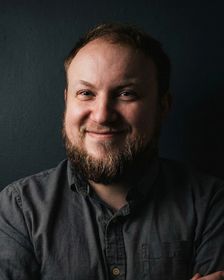
Dr Eric E. Newton, MSc (St George’s Lond), PhD (R’dg), MRSB CBiol, PSAg
Professional summary
I am a scientist, researcher and consultant. I have worked in professional science since 2017, and I have carried out consultancy through Reading Agricultural Consultants Ltd (RAC) since 2025.
My academic training spans microbiology, analytical chemistry, livestock science, food safety and public health. My research has focused on livestock nutrition, mineral and iodine transfer into milk, and food-associated microbiology. In consultancy, I bring that background to technical problems that cross traditional subject boundaries. I aim to give balanced, evidence-led assessments that are technically rigorous but understandable to people without a scientific background.
Last updated:
Qualifications
I hold a PhD from the University of Reading, a master's degree from St George's, University of London, and a bachelor's degree from the University of Dayton.
PhD, Animal, Dairy and Food Chain Sciences, University of Reading (2023)
My doctoral research focused on livestock nutrition, seaweed supplementation, iodine transfer into milk, mineral metabolism and their implications for animal production and human nutrition. It included laboratory-based analytical chemistry and quantitative research.
MSc, Global Health and Conflict, St George's, University of London (2019)
My dissertation examined the relationship between climate change, aflatoxin contamination and the dairy feed and milk supply chain in Thailand.
Bachelor of General Studies, University of Dayton (2017)
My undergraduate studies included microbiology research, particularly the investigation of Listeria and food-associated microbiological hazards.
Career and appointments
I combine a current academic post, consultancy through RAC and earlier research and laboratory roles.
Current: Head of Laboratories & Assistant Professor, Verto Education, London
I am responsible for laboratory operations, scientific teaching, laboratory safety and the delivery of undergraduate biology and chemistry courses.
Associate Consultant, Reading Agricultural Consultants Ltd (RAC), since 2025
I undertake scientific consultancy and expert witness assignments within my areas of expertise, including scientific assessments, technical reports and litigation-related matters. See my profile on RAC's team page.
University of Reading: Research Officer (2019–2023), Visiting Researcher (2023–2024)
As Research Officer, I carried out research on livestock nutrition, animal health, food production and laboratory analysis. As Visiting Researcher, I continued academic research in animal and food chain sciences.
Earlier roles
- Research Intern, Food and Agriculture Organization of the United Nations (2019): livestock, agriculture and food systems in an international context.
- Microbiologist, [Apex – full name to confirm] (2017–2018): professional laboratory microbiology.
- Adjunct Lecturer, Arcadia University, London [dates to confirm]: taught undergraduate general chemistry.
Professional standing
I am a Chartered Biologist and Member of the Royal Society of Biology, and a Practitioner of the Society of Agriculture.
- Chartered Biologist (CBiol), Royal Society of Biology (2026)
- Member of the Royal Society of Biology (MRSB), 2026
- Practitioner (PSAg), Society of Agriculture, 2026
- Chair, Early Career Committee, British and Irish Society of Animal Science (BISAS)
Peer review
I review manuscripts for scientific journals, including animal, Tropical Animal Health and Production and BMC Pregnancy and Childbirth.
Scope and limits of expertise
My expertise is scientific, not clinical. I am not a veterinary surgeon or a general toxicologist. I don't give clinical diagnoses, or an opinion that a particular food caused a person's illness. Where a question needs that expertise, I will say so and suggest bringing in the right specialist. See Areas of Expertise.